News
Colombia Begins Massive Recovery Effort After Devastating 7.4-Magnitude Earthquake
Colombia is entering a major humanitarian and reconstruction phase after a powerful 7.4-magnitude earthquake devastated western regions, killing hundreds and leaving tens of thousands of homes and critical infrastructure damaged.
August 19, 2026
South America
0 views
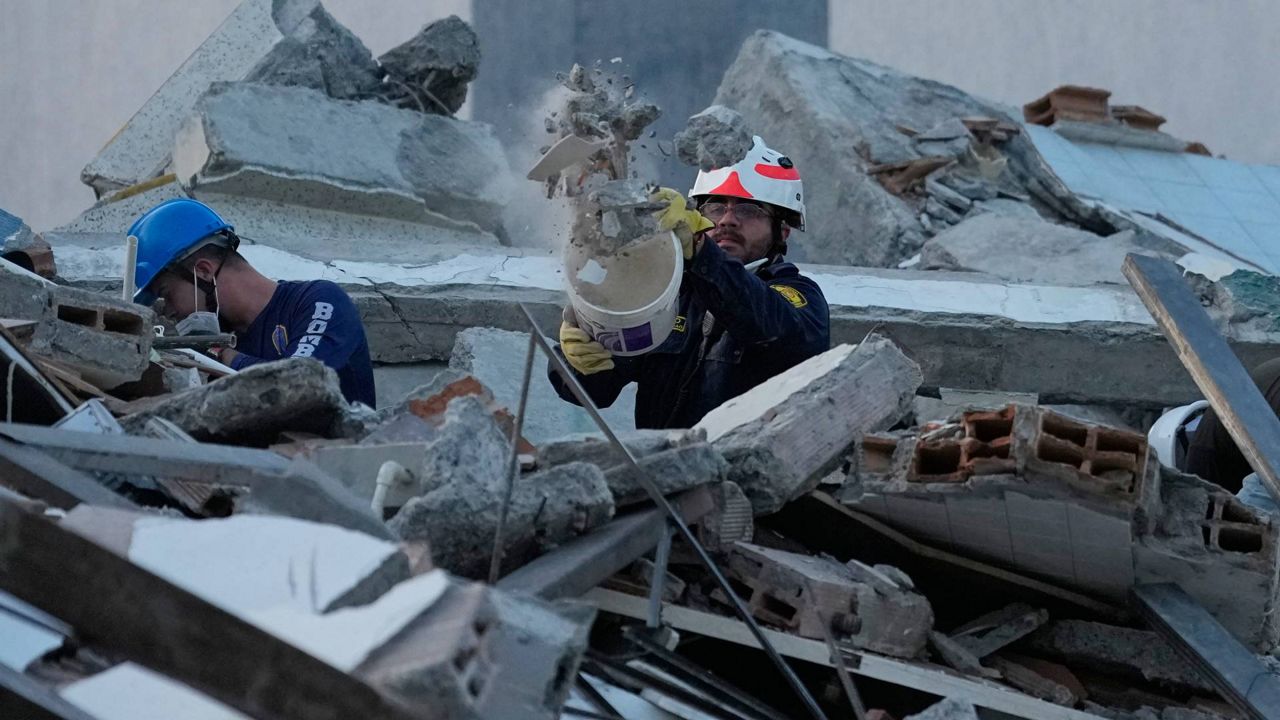
The earthquake has caused enormous damage to homes and public infrastructure. More than 127,000 homes were reported damaged, with almost 27,000 destroyed. Hundreds of health facilities and thousands of educational institutions were also affected. Roads, bridges, water systems and airports sustained significant damage, creating additional challenges for emergency responders and communities attempting to recover. The humanitarian consequences extend beyond the immediate destruction. Thousands of families have been displaced and many survivors require temporary housing, food, clean water, healthcare and other essential supplies. The United Nations has increased humanitarian assistance as the number of people requiring support continues to grow. International organizations have also begun supporting Colombia's recovery. The World Bank has provided $200 million to support emergency response and longer-term recovery, including assistance for public health, housing and small and medium-sized businesses. The bank is also conducting a rapid assessment of earthquake damage and economic losses to help determine reconstruction priorities.
Colombia's new government is facing a major test as it attempts to coordinate rescue operations, humanitarian assistance and reconstruction. President Abelardo de la Espriella has announced plans for a reconstruction fund and partnerships aimed at rebuilding homes, hospitals, schools and damaged infrastructure. The earthquake has also disrupted economic activity. Damage to transportation infrastructure has affected movement through western Colombia, while businesses in affected communities are struggling to reopen. Coffee exports, for example, have been forced to use alternative transportation routes because of damage in western areas. The crisis is particularly significant in Chocó, one of Colombia's historically underserved regions. The earthquake has compounded existing challenges involving poverty, infrastructure and access to public services, making reconstruction more complicated than simply rebuilding damaged structures.
Recovery will therefore require more than emergency relief. Authorities will need to restore transportation networks, electricity and water systems while rebuilding schools, hospitals, homes and local businesses. International financial assistance and humanitarian organizations are expected to play an important role in this process. The Colombian earthquake is also a reminder of the importance of disaster preparedness and resilient infrastructure in earthquake-prone regions. As the immediate rescue operation gives way to long-term reconstruction, the government's ability to coordinate resources and rebuild vulnerable communities will determine how quickly affected areas can recover. For Colombia, the coming months will be defined by reconstruction, humanitarian assistance and the difficult task of restoring normal life for communities affected by one of the country's most destructive earthquakes in recent decades.
About this discovery
Category
News
Continent
South America