News
Ebola Outbreak in DR Congo Becomes Deadliest in the Country’s History
The Democratic Republic of Congo is facing its deadliest and fastest-growing Ebola outbreak, with more than 5,000 confirmed cases and over 2,300 deaths as health authorities struggle to contain the spread.
August 19, 2026
Africa
0 views
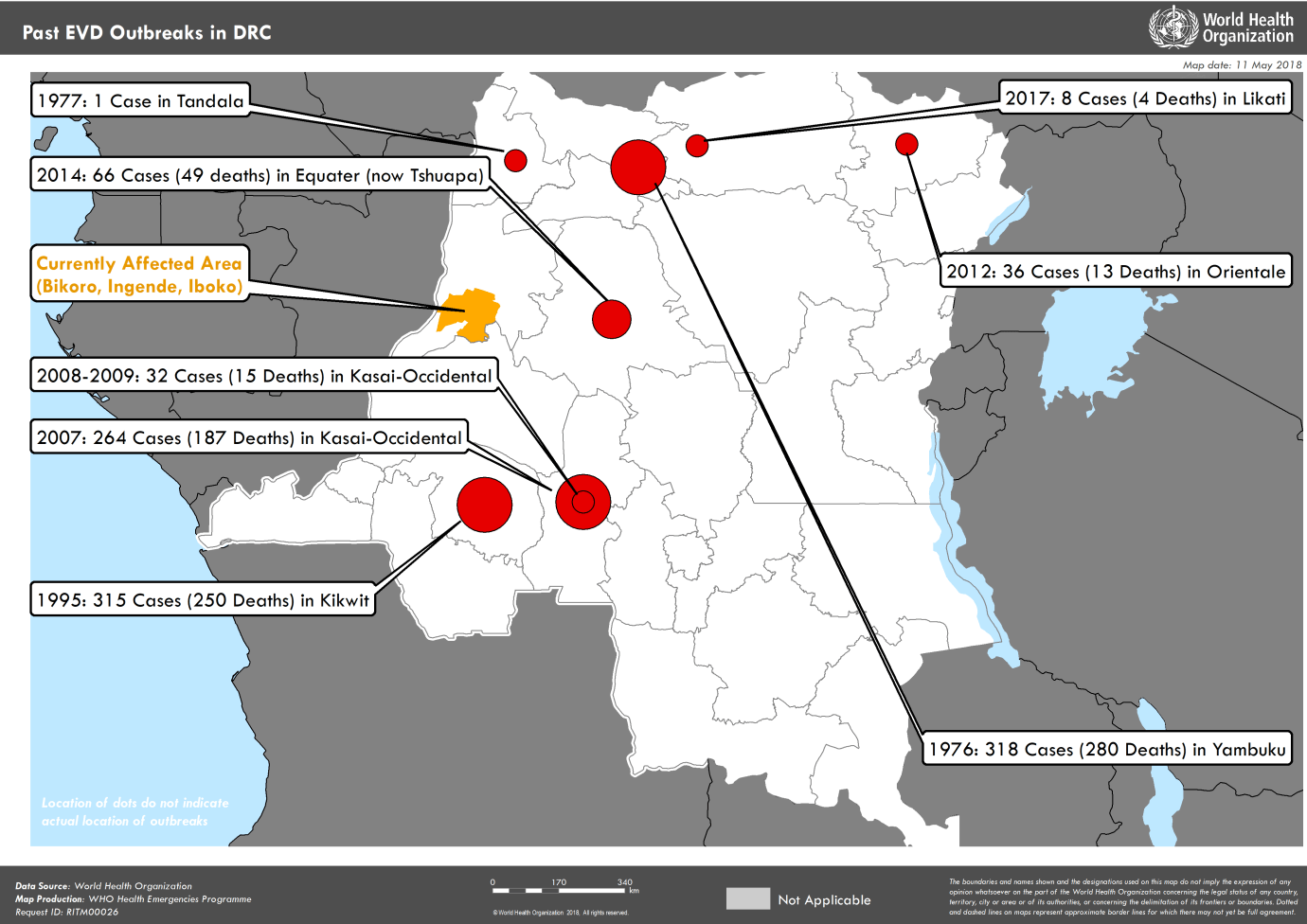
The current outbreak is caused by the Bundibugyo species of Ebola virus. This is particularly concerning because there is currently no licensed vaccine or specific treatment approved for this strain. Two vaccine candidates are being investigated as part of the international response. Health authorities are facing significant difficulties in controlling transmission. Many newly identified patients have no known epidemiological connection to previously identified cases, making contact tracing increasingly difficult. Insecurity, misinformation, weak infrastructure and shortages of health workers are also complicating the response.
The World Health Organization says the outbreak remains far from being controlled but believes it could still be brought under control within approximately three months if sufficient resources are mobilized. The WHO estimates that around $115 million is needed for the response, with only about 60 percent of that amount raised as of August 18. The situation is also being closely monitored outside the DRC. Uganda previously reported cases linked to the outbreak, although it declared itself Ebola-free in July after containing transmission. The WHO continues to assess the risk to neighboring countries while supporting surveillance and preparedness activities.
The DRC outbreak demonstrates the continuing importance of rapid disease detection, community engagement, healthcare infrastructure and international cooperation in responding to infectious-disease emergencies. For communities in affected regions, improving access to treatment and rebuilding trust in health services will be critical to slowing transmission. International health organizations are continuing to expand surveillance, isolation capacity, epidemiological investigations and community-based response efforts as the outbreak develops.
About this discovery
Category
News
Continent
Africa