News
Europe Faces Worsening Drought, Extreme Heat and Widespread Wildfires
Record heat and prolonged drought are putting Europe's water supplies, agriculture, energy systems and ecosystems under increasing pressure as wildfires continue to spread across the continent.
August 19, 2026
France
0 views
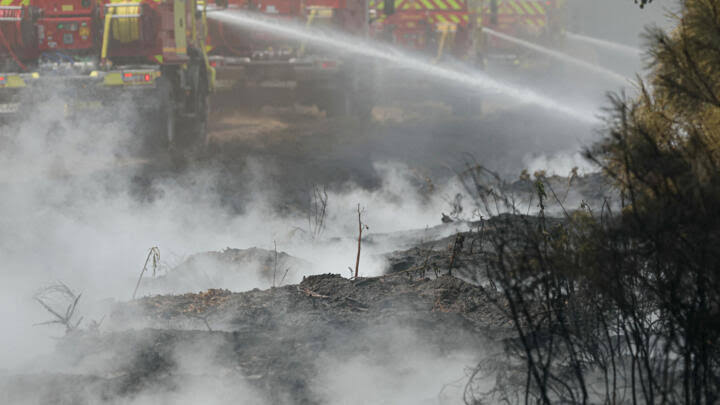
The impact is being felt across a wide geographical area. Countries including France, Spain, Portugal, Greece, Italy, Croatia, Germany, Poland, Belgium and the United Kingdom have experienced significant wildfire activity or severe drought conditions during the summer. The European Space Agency says the EU's Copernicus Emergency Management Service had been activated more than 30 times since May to support wildfire monitoring and emergency response. Belgium is currently dealing with what has been described as the country's largest wildfire in a century. Hundreds of firefighters, including reinforcements from Germany, have been working to contain the blaze in the High Fens nature reserve. The fire has affected thousands of hectares of land and demonstrates how wildfire risks are expanding into areas that have historically experienced fewer fires of this scale.
Greece has also experienced a devastating wildfire season. A major fire in southern Greece has raised concerns about the condition and maintenance of electricity infrastructure after investigators examined whether power-line failures contributed to fires. Greece has already experienced several deadly fires this year. The drought is creating problems beyond wildfires. Low river levels are disrupting transportation and putting pressure on agriculture and energy production. Rivers including the Rhine and Danube have experienced unusually low water levels, affecting shipping and reducing the availability of water for different economic activities.
Agriculture is another major concern. Farmers across Europe are facing reduced crop yields because prolonged heat and water shortages are damaging crops and livestock production. The resulting decline in agricultural output could contribute to higher food prices and increase pressure on farmers already facing rising production costs. The energy sector is also being affected. Low water levels can reduce hydropower generation and limit the availability of cooling water for power plants. In some areas, drought and heat are therefore becoming an energy-security issue in addition to an environmental problem. The United Kingdom illustrates another unusual consequence of the drought. Heavy rain has recently returned to some areas, creating a risk of surface flooding because extremely dry, hardened soil cannot absorb water efficiently. However, the rainfall has not been sufficient to reverse widespread drought conditions, and water companies continue to face pressure from depleted reservoirs and high demand.
European governments are increasingly treating drought and extreme heat as long-term resilience challenges rather than temporary weather emergencies. The European Union is calling for greater investment in drought preparedness, early-warning systems, water management, ecosystem restoration and climate resilience. The economic consequences are becoming increasingly important. Recent analysis from Reuters noted that climate-related disasters are placing growing pressure on European public finances, with governments facing large costs from wildfires, flooding and other extreme-weather events. Many of these losses remain uninsured, leaving governments and taxpayers to absorb much of the financial damage.
Europe's current summer therefore represents more than a series of isolated heatwaves and fires. The combination of extreme temperatures, water shortages and increasingly severe wildfires is testing the continent's infrastructure and emergency-response systems while raising difficult questions about how European countries will adapt to a warmer climate. As temperatures and drought conditions continue to evolve, authorities are expected to focus increasingly on water conservation, wildfire prevention, agricultural adaptation and investment in climate-resilient infrastructure.
About this discovery
Category
News
Continent
Europe
Country
France